Should You Run Facebook Ads Before Fixing Your Website?
Facebook ads can be a smart move.
They can get offers in front of people quickly. They can build awareness. They can help promote seasonal work, specials, events or a clear lead magnet.
But if the website behind the ad is weak, the ads may only help more people discover the problem faster.
Not ideal. Efficient, but not ideal.
People do not always enquire from the ad
One mistake small businesses make is assuming the ad does all the selling.
Sometimes it does. Often it does not.
People see the ad, then search the business name. They check the website. They look for reviews. They compare you with someone else. They ask whether the business looks real, current and trustworthy.
That means your website still matters even when the lead starts on Facebook.
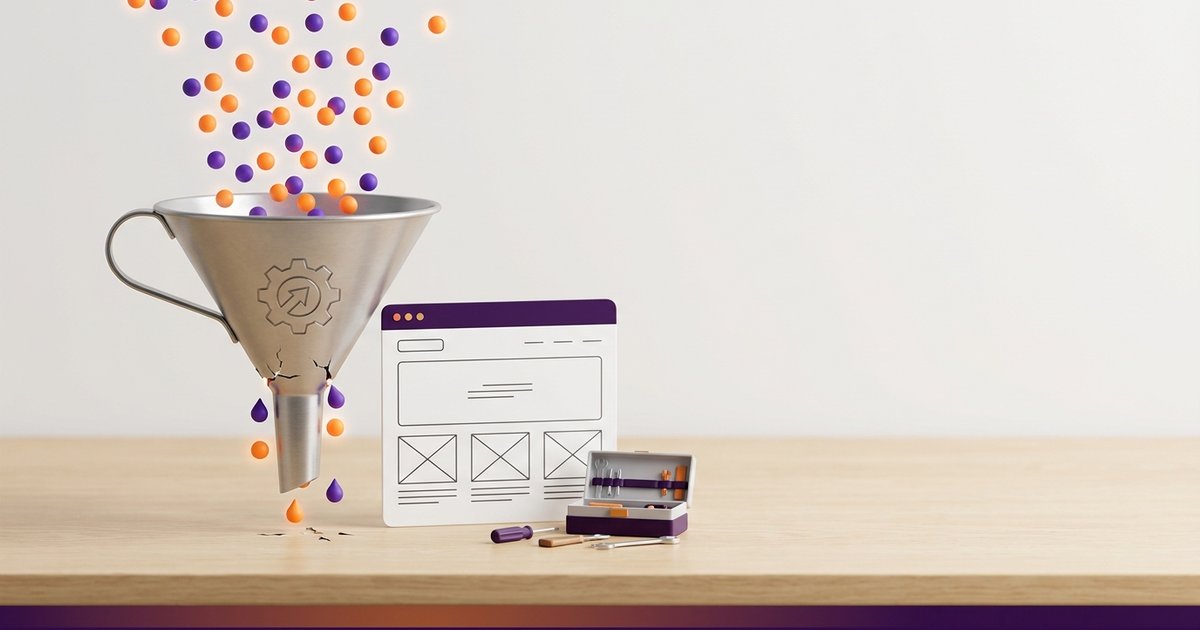
If the ad creates curiosity but the website creates doubt, the money leaks out quietly.
When Facebook ads can work well
Facebook ads can work well when the offer is clear and the next step is simple.
They are useful for promotions, local awareness, retargeting, launches, events and visual services where people respond well to examples.
They can also support businesses that already have a decent website and need more people to see the offer.
In that case, ads are adding fuel to something that can already catch.
The problem starts when ads are used to avoid fixing the basics.
What happens when the website is not ready?
A poor website can make good ads look bad.
If the site is slow, people leave.
If the offer is vague, people hesitate.
If the phone number is buried, people give up.
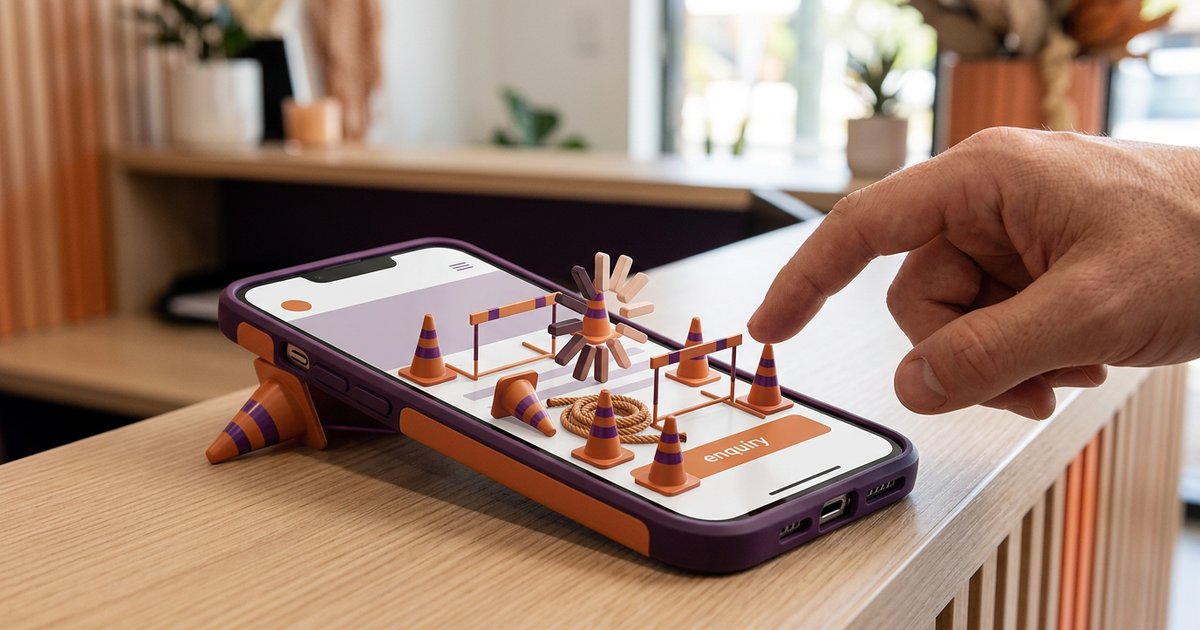
If the page does not match the ad, people feel like they landed in the wrong place.
If the business has thin service pages, weak proof or no clear next step, the ad spend is doing more pushing than selling.
More traffic does not fix a trust problem. It just sends more people into it.
Ads create attention. Your website has to carry it.
Think of Facebook ads as attention.
Think of your website as the place that turns attention into confidence.
That means the website should answer the questions people ask before they contact you:
- What exactly do you do?
- Do you help businesses like mine?
- Where are you based?
- Can I trust you?
- What happens next?
- How do I enquire?
If those answers are missing, ads have to work much harder.
Search still matters after someone sees your ad
Even if Facebook creates the first touch, Google often gets involved before the enquiry.
People search your business name. They search the service. They check Maps. They look at reviews. They compare your website against competitors.
That is why SEO and website quality still matter when you are running social ads.
The channels do not live in separate boxes. Customers do not care which platform gets credit. They just follow the trail that helps them decide.
Fix these before spending hard on ads
You do not need a perfect website before running Facebook ads.
You do need a website that does not fight the campaign.
Before pushing budget, check:
- The page loads quickly on mobile
- The offer matches the ad
- The headline is clear
- The call to action is obvious
- The form works
- The phone number is easy to tap
- The page explains who the service is for
- There is enough proof to reduce doubt
- The Google Business Profile looks active and accurate
- Tracking is set up so you know what happened
None of that is glamorous. It just saves money.
When should the website come first?
Fix the website first if people are already checking you out but not enquiring.
Fix it first if your service is high-trust, high-value or comparison-heavy.
Fix it first if the website looks dated, loads slowly, has vague copy or does not explain your offer properly.
Fix it first if the ad will send people to a page that you already know is weak.
There is no badge for sending paid traffic to a page you would not proudly show a referral.
When can ads come first?
Ads can come first if the website is good enough and the offer is urgent, seasonal or easy to understand.
They can also come first if you are testing demand before building a bigger campaign.
But even then, the landing page needs to be clear. The form needs to work. The business needs enough proof to make the click feel safe.
The best answer is usually not either-or
For many small businesses, the best setup is not Facebook ads or SEO or website work.
It is getting the basics lined up so each channel helps the others.
Facebook can create attention. SEO can capture people already searching. Your website can turn both into enquiries.
If one part is weak, the whole thing feels harder than it should.
Before spending more on ads, check whether your website is ready to receive the attention.
If it is not, fix the leaks first. Cheaper than buying more buckets.

Written by
Mark SprayMark is the founder of Spray Media, a Gold Coast web design and digital marketing agency. With over 100 projects delivered and consistent 5-star reviews, he helps small businesses and tradies get more customers through websites that actually rank on Google. Before Spray Media, Mark built a national weighted blanket company recognised in Australian Parliament for its community employment initiatives.